
Miranda, Helen, Meisha and Kate have each won the City of Joondalup’s Biodiverse Backyards Competition, which was held in celebration of Biodiversity Month in September 2025.
In this article, we explore each of their gardens and the simple steps that they’ve taken to encourage and support biodiversity. While the competition may be over, their gardens will continue to provide real environmental benefits, such as habitat and food sources for native fauna, increased urban tree canopy coverage, and green spaces which can serve as ‘wildlife corridors’ within their neighbourhoods.
Celebrating biodiversity
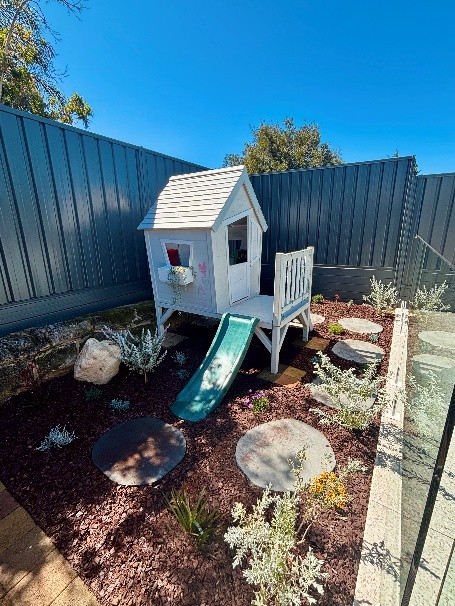
Miranda’s garden, located in Duncraig, was originally filled with introduced plant species when she moved in. Over time, she has restored the front garden and verge by incorporating native plants and reducing the amount of lawn, transforming it into a vibrant, waterwise space. Recently, Miranda created a new native garden patch at the back of her property, which previously held only a small garden shed and lawn. With help from her children, this area has been turned into a beautiful and practical play space where they can enjoy watching their native plants grow and flower over time.
Helen’s garden in Connolly has also embraced change. She converted a section of paved area in the front garden into a pocket of native plants accompanied by a small pond. Providing water for wildlife is a vital way to support local biodiversity, and Helen’s pond has become a welcoming haven for visiting creatures.
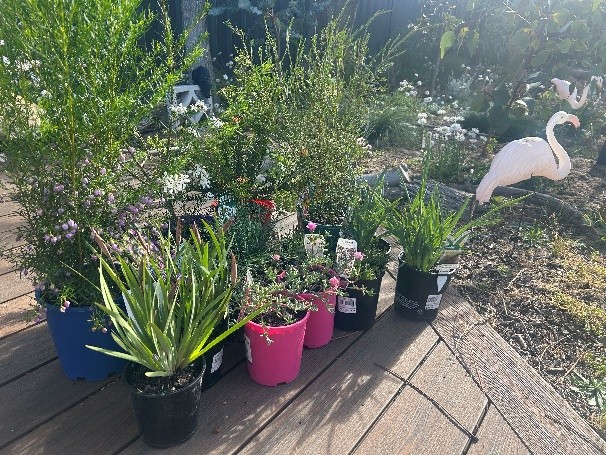
Meisha’s garden, located in Kingsley, has been completely transformed. Both the front and back gardens are now thriving, waterwise spaces that celebrate Australian native flora, support local biodiversity, and promote ecological sustainability. Drought-tolerant native plants chosen for their ability to attract pollinators are complemented by fruit trees and a vegetable patch, creating a sustainable living environment and supporting soil health through composting.
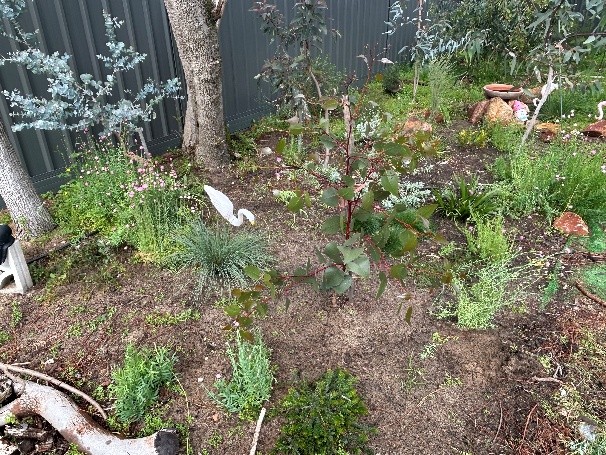
Kate’s garden in Greenwood was originally dominated by introduced species when she moved in, with the exception of two established eucalypts. Over time, she has replaced the non-native plants with native trees, shrubs, and grasses, and added a bird bath along with rocks and logs to provide habitat for reptiles. These features give lizards shelter from predators and encourage them to stay, helping to naturally manage garden pests. For the competition, Kate planted an additional eucalyptus, as well as more grasses, shrubs, and groundcovers — and has since used her prize to purchase even more native plants!
Every little bit helps
Whether big or small, every garden can play a part in supporting biodiversity. Try these tips to begin your journey towards creating an eco-friendly garden that you can enjoy year-round:
- Create habitat for wildlife by adding features such as a frog bog, birdhouse, or bug hotel
- Add native trees to provide vital canopy cover in our urban environment — helping to cool your home and reduce energy bills
- Provide fresh water with a small pond, bird bath, or even a large dish with a rock inside so small reptiles and pollinators can drink safely
- Plant native Western Australian species that are suited to the local climate and endemic to your area
- Use organic fertilisers and check your soil type to understand how best to support healthy soil microbiomes
- Provide shelter for wildlife by layering plants of different shapes and sizes, ensuring that creatures big and small can find sanctuary in your garden
- Create compost using a worm farm or bokashi bucket system to naturally feed and enrich your garden
- Remove weeds to reduce the impact of introduced species on native flora and help restore ecological balance
- Keep pets contained to protect native wildlife and prevent them from digging up your newly transformed garden space.
Create your own biodiverse garden
Sustainable gardening offers a range of tips and resources to help you get started. You can also read about other sustainability superstars in the community for further inspiration.